Every educator deserves to be inspired, supported, and confident. Mentoring plays a key role in making that possible when folks are just beginning their journey as Lead Montessori Teachers. At the heart of truly effective mentoring is positivity. While skill-building, feedback, and accountability are essential components, it is often the positive approach that empowers educators to grow with confidence and purpose.
Positivity in mentoring doesn’t mean avoiding difficult conversations or glossing over challenges. Avoidance tends to exacerbate difficult situations. Instead, positivity means approaching the relationship with respect, encouragement, and a deep belief in the teacher’s potential. A strong mentor helps educators see mistakes as opportunities, values effort and progress, and frames challenges as meaningful steps in their development. This mindset creates trust and opens the door to honest reflection and lasting transformation.
Ultimately, positivity isn’t just a tone—it’s a strategy. It cultivates resilience, sparks innovation, connects teachers to their passion for education, and helps create a professional culture where educators are inspired to grow and empowered to thrive.
In a field as demanding and deeply human as education, mentoring can either feel like another form of pressure—or a wellspring of support.
Your new teachers deserve strong mentorship. If your school community needs support in strong mentorship for new teachers, the Greenspring Center for Lifelong Learning is here for you!
Research Results
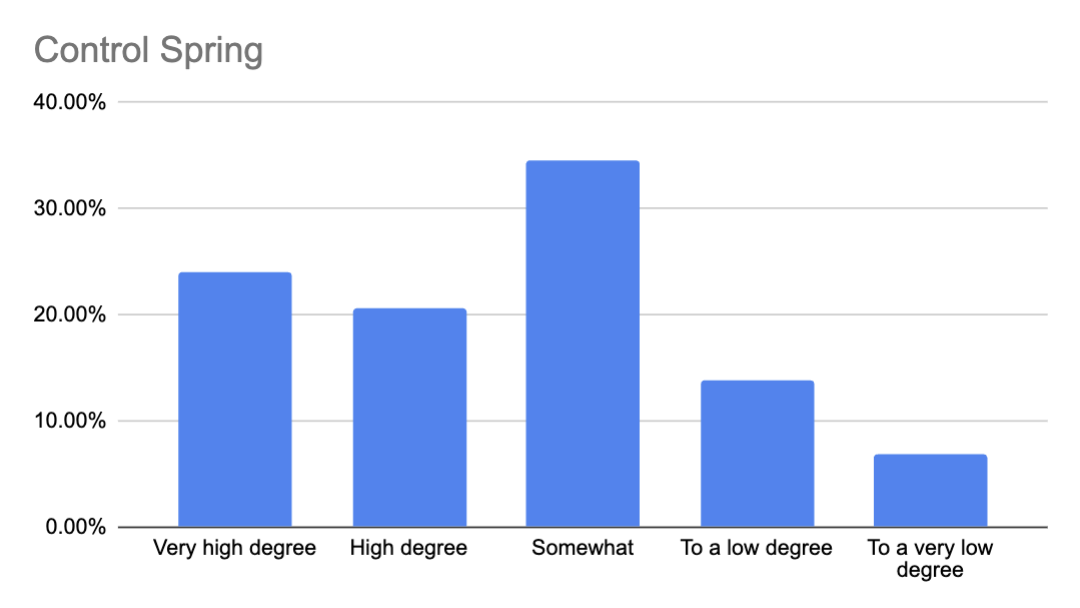
Our 2023–24 Primary and Elementary cohorts participated in a research study conducted through the University of Wisconsin. While the data is still being validated, the preliminary results are compelling: educators (referred to as Mentees) who received focused, positive, and effective mentorship reported significantly lower levels of burnout compared to those in the control group who did not receive mentorship.
These early findings underscore what many of us know from experience—intentional, affirming mentorship makes a measurable difference in educator well-being. See more on the results below:
44.8% of the control group ended the school year feeling a high degree or very high degree of burnout.
0% of the mentees ended the school year feeling a high degree or very high degree of burnout.
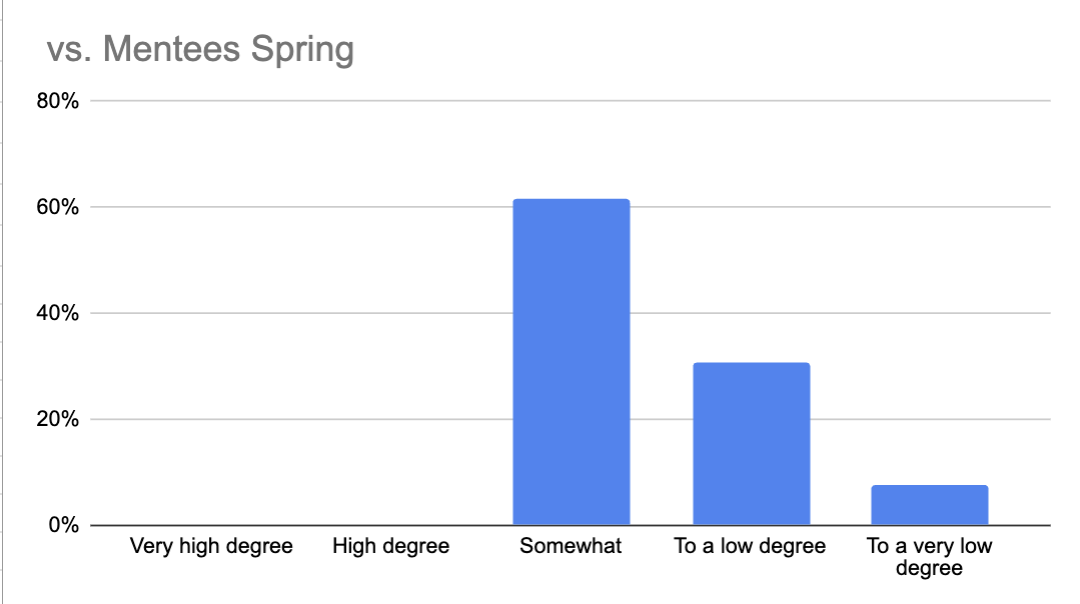
Mentoring with positivity makes a significant difference in the way teachers feel at the end of the school year. Stay tuned for the published results of this study, expected this fall.