I am often asked, “What is Montessori for Aging and Dementia?” It’s an excellent question! While Dr. Montessori did not design environments for older adults, over the past thirty years researchers, clinicians, and architects have contributed to a large body of research that has resulted in Montessori for aging and dementia care guidelines. This approach combines Dr. Montessori’s philosophy with person-centered care and dementia care best practices. The Montessori philosophy of care is now being implemented in long-term care communities and individual homes throughout the world.
The essential features of the Montessori approach apply beautifully to communities for older adults and people living with dementia. The photos included here are from two Montessori memory care communities: Lutheran Senior Life’s Passavant community in Zelienople, PA and Presbyterian Communities of South Carolina’s Evergreen House in Summerville, South Carolina. Both communities are implementing the Montessori philosophy in their memory care homes to enrich the lives of people living with dementia by offering a prepared environment that offers opportunities for independence, choice, and meaningful engagement.
Here are some of the elements that define Montessori for Aging and Dementia:
Prepared Environment
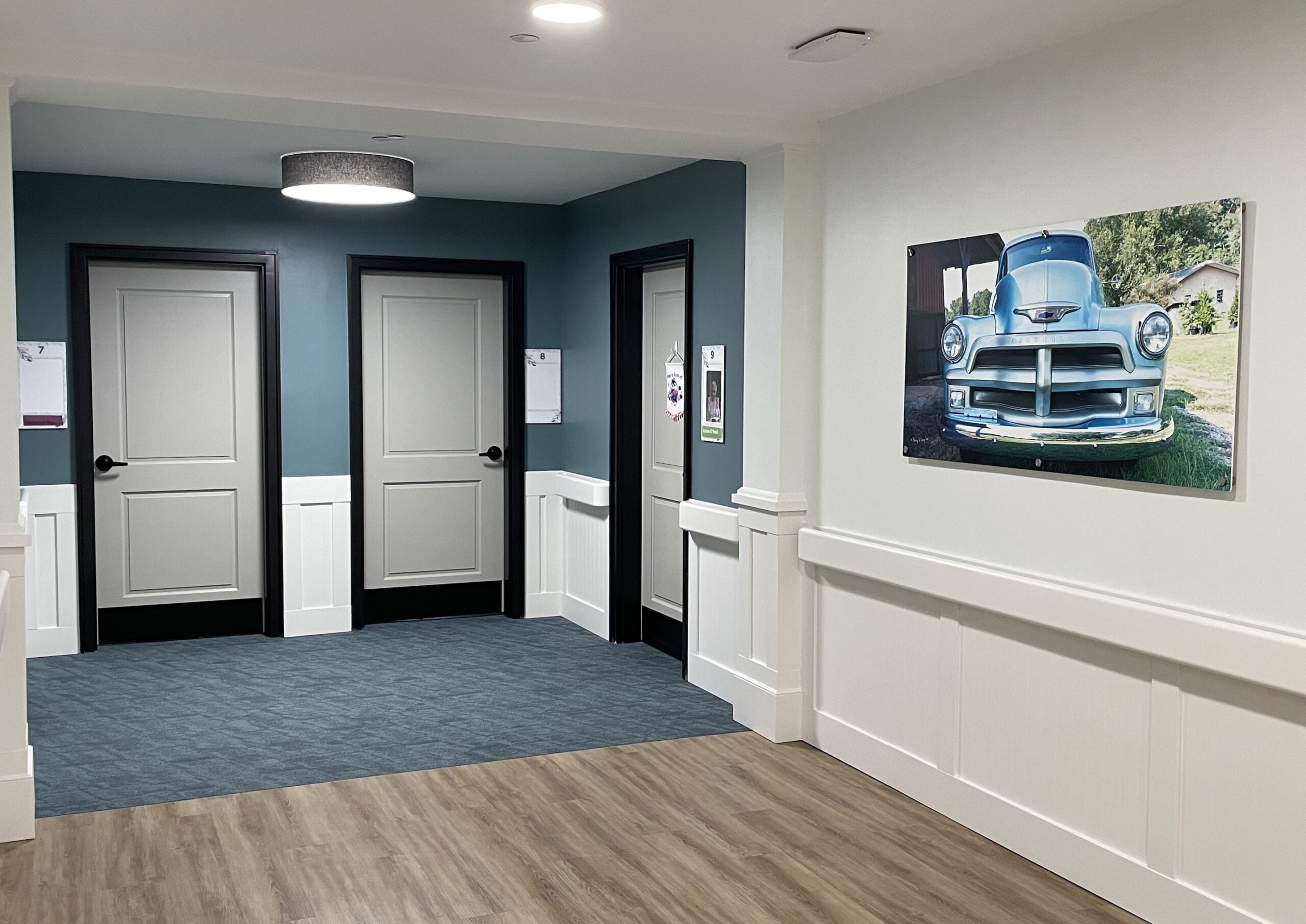
The prepared environment incorporates current research in dementia care best practices and is designed to facilitate maximum independence and exploration by all members of the community. Color, artwork, and signage are used to assist with wayfinding. Communal spaces and activities are available to elders at all times. The community is considered the elders’ home, and they are invited to participate in care of the community.
Cues for Wayfinding
Accessible Supplies
Independence
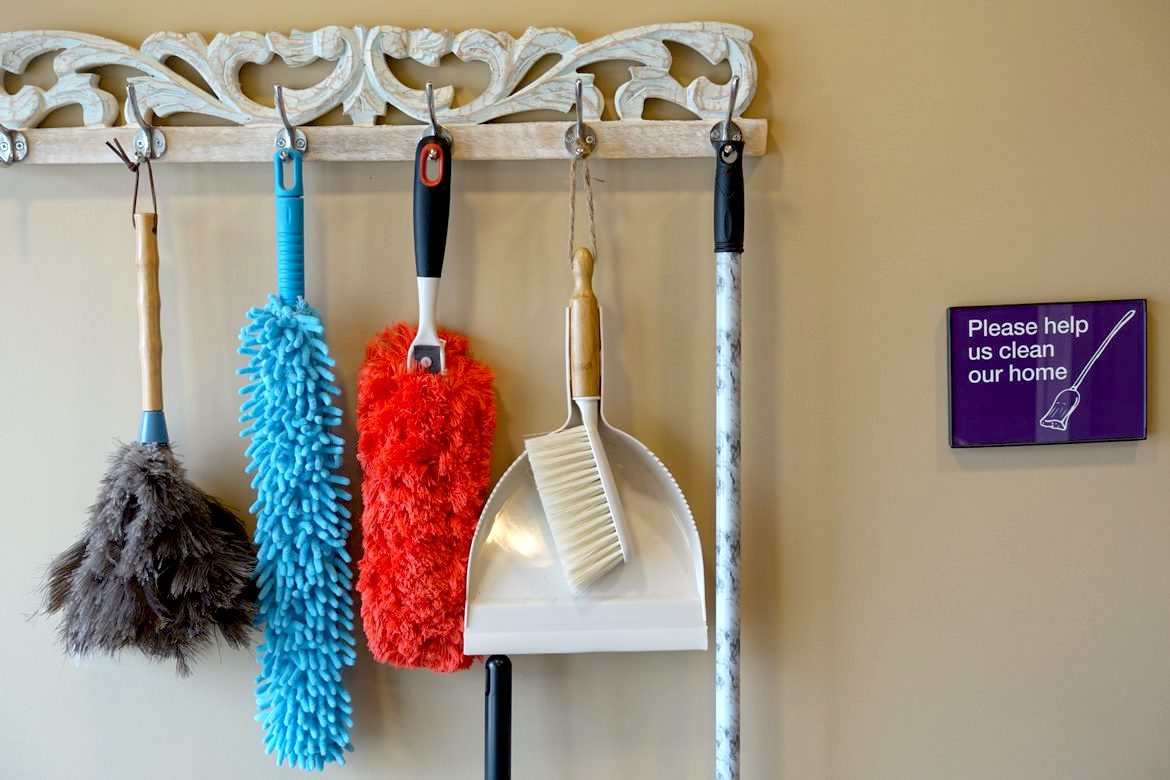
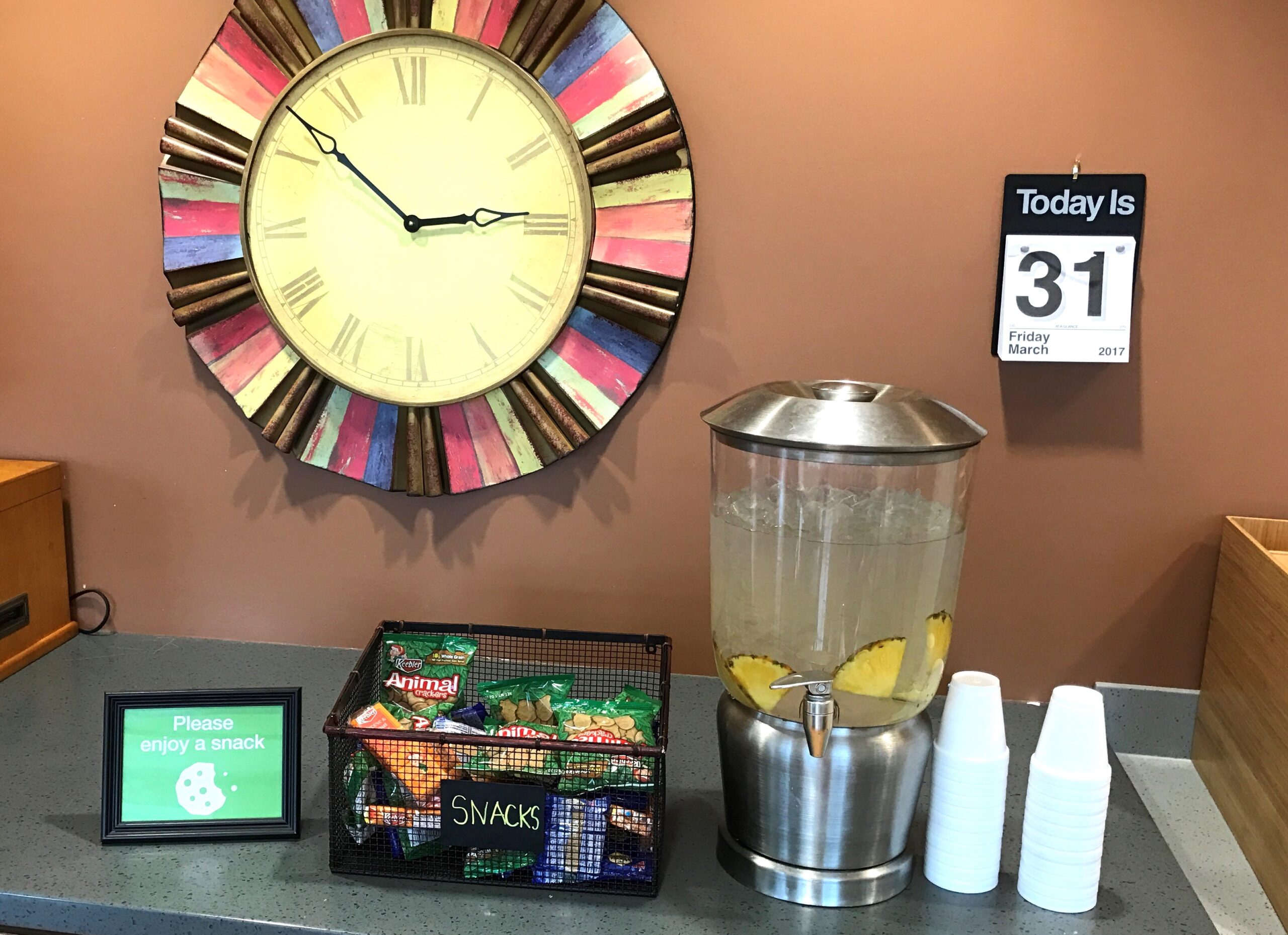
A Montessori prepared environment is set up to facilitate maximum independence for elders. Care partners invite elders to engage in daily tasks (either independently or in partnership) rather than completing these tasks for them. Beverages and snacks are available at all times, and elders are invited to prepare food in the community kitchen whenever they wish. The materials needed to care for the community are easily accessible and labeled.
Freedom of Choice & Movement
Elders choose where to sit and what to work on, with guidance or assistance as needed from trained care partners. Elders have easy access to the outdoors and are encouraged to move about the environment rather than remaining seated or in one place all day. This freedom of movement helps elders to maintain balance, fine and gross motor skills, a natural circadian rhythm, and overall health.
Freedom to Self Serve
Meaningful Engagement
Humans are born with an intrinsic desire to explore and learn. Rather than focusing on keeping elders “busy,” the prepared environment provides opportunities for choice, independence, and meaningful engagement. Care partners get to know elders’ interests, hobbies, and strengths – and then design roles and activities with specific elders in mind. When elders are free to follow their interests and meet their own needs, they feel fulfilled rather than bored.
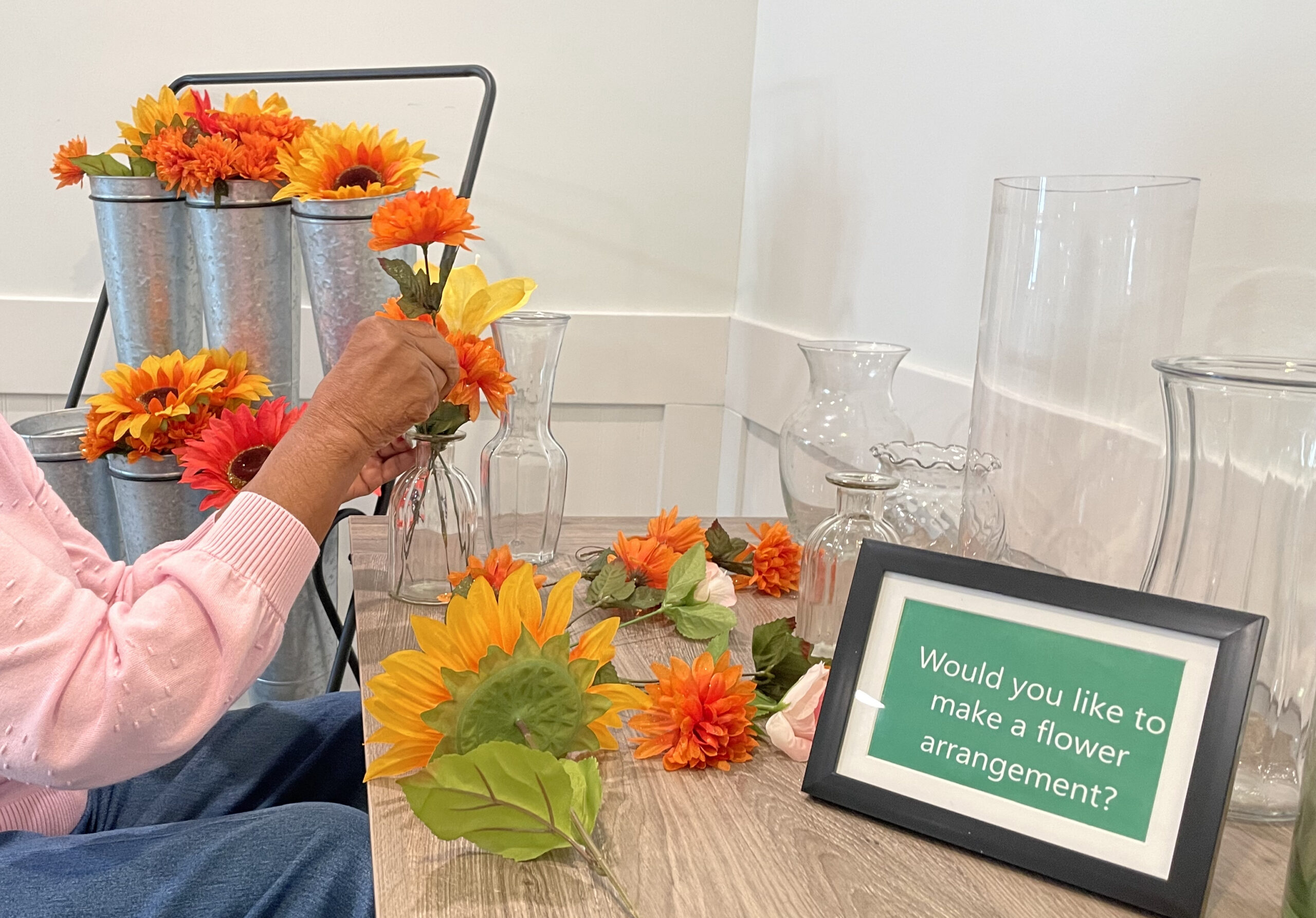
Arranging Flowers
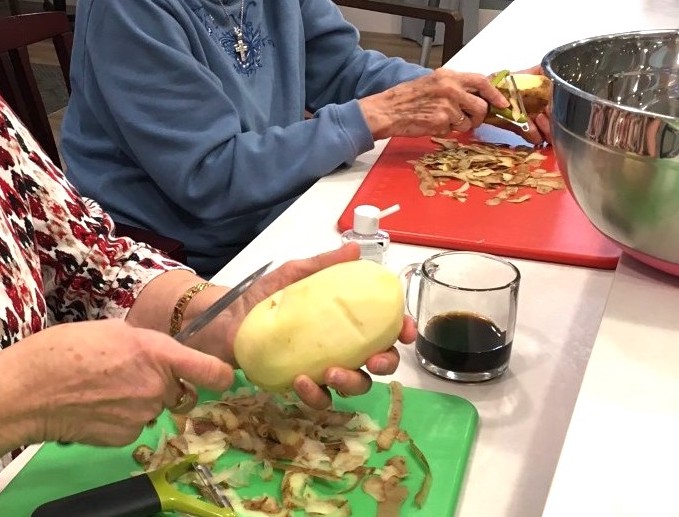
Preparing Food
Hands-On Activity
Elders work with both specially designed materials and everyday household items. Activities are hands-on and often involve movement and sensory stimulation. Each activity has multiple purposes. These may include strengthening gross or fine motor skills, maintaining hand-eye coordination, developing sustained attention on a task, or providing sensory stimulation. The purpose of an activity may also be artistic expression, enjoyment, or the satisfaction that comes from making a meaningful contribution to the community.
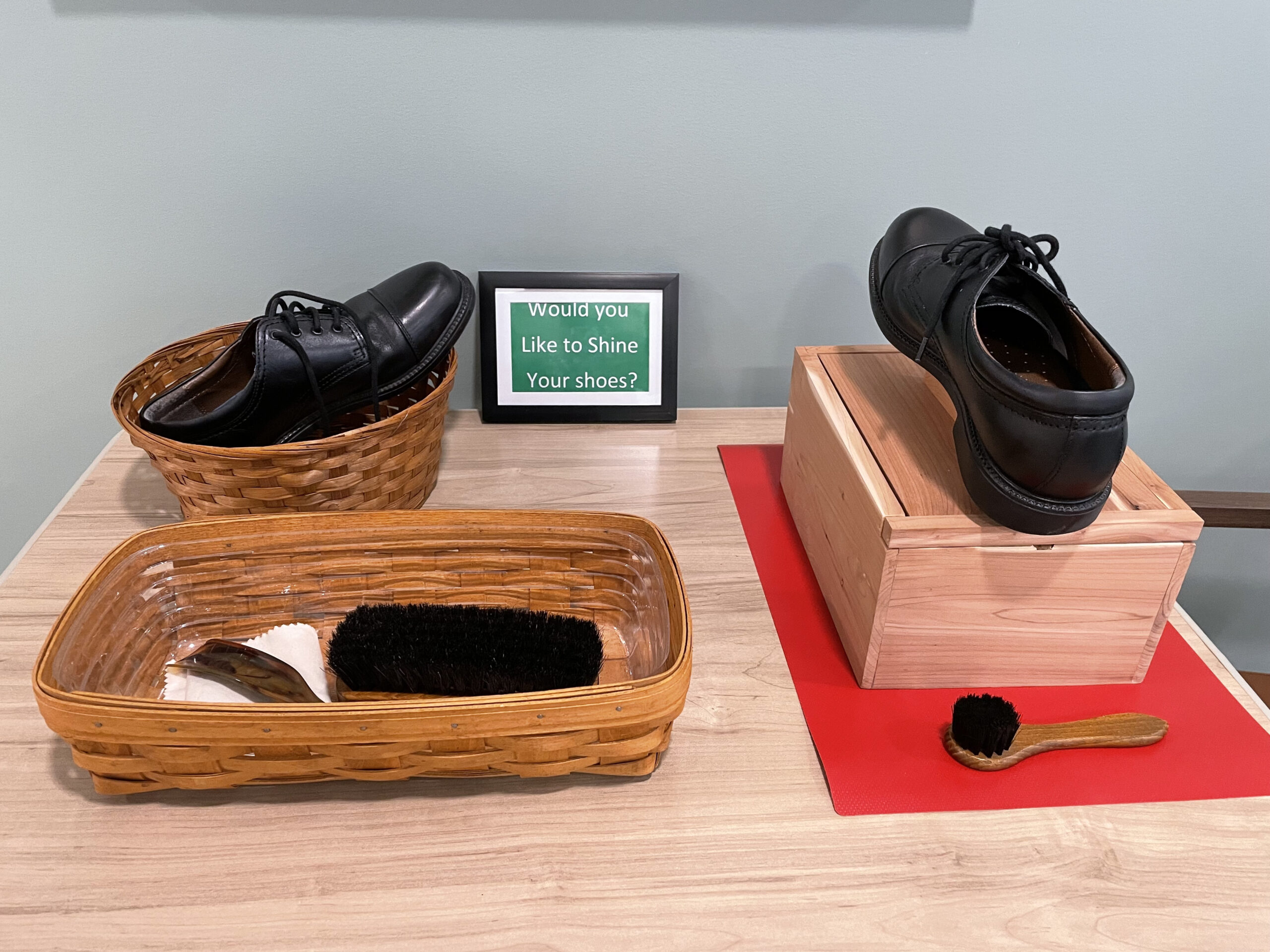
Shining Shoes
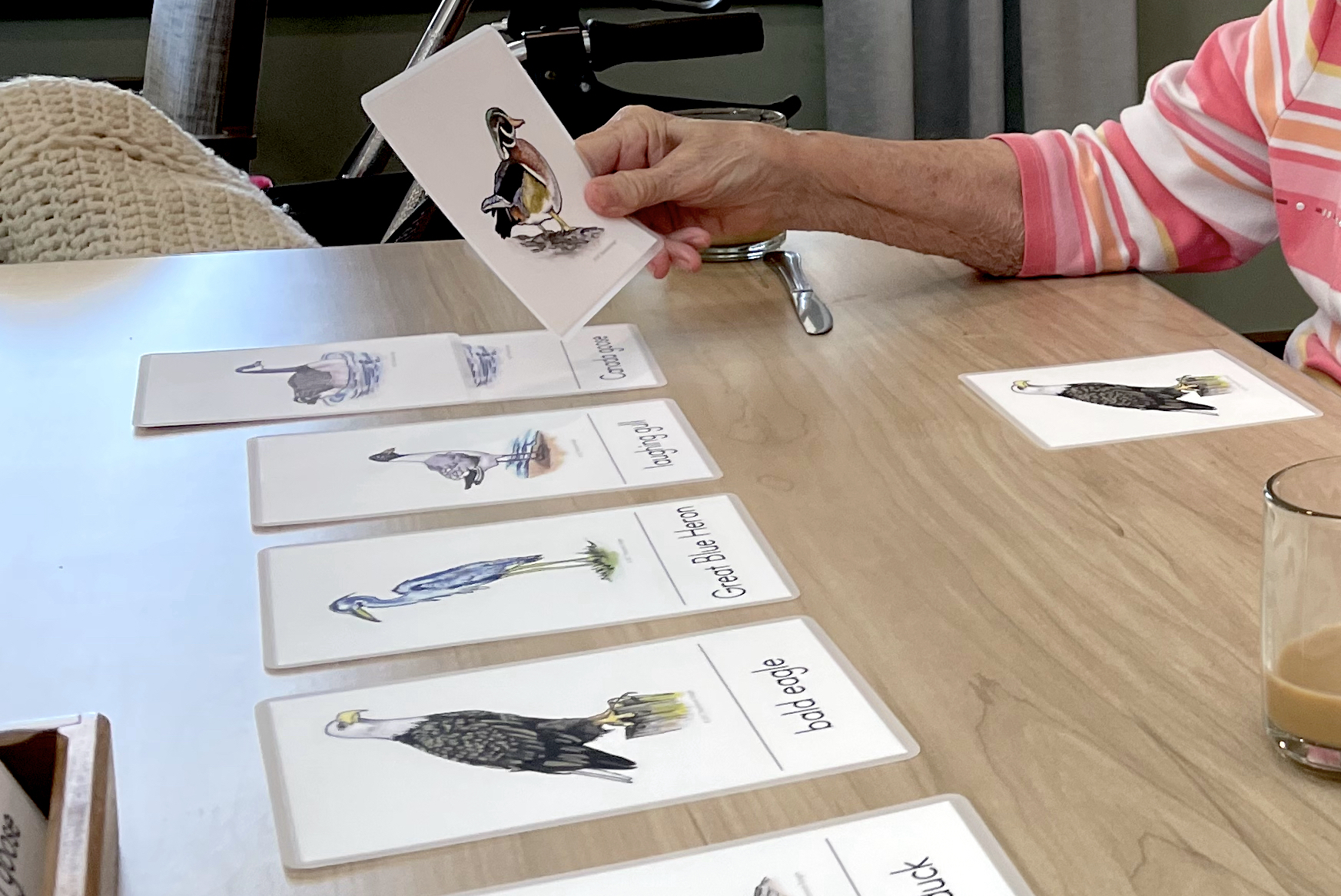
Nomenclature Cards
Mixed Abilities of Individuals
Elders of different abilities work together, form friendships, and help each other in a supportive community. Peer collaboration is encouraged; elders share their strengths with others who need more support in those areas. Rather than staff taking over all leadership roles, elders have opportunities to use their leadership skills in areas of strength and interest.
Grace and Courtesy
Elders enjoy opportunities to welcome guests, invite friends to join them during activities, help others, and to assist with caring for the community. In a care community, it is the role of the staff to model grace and courtesy at all times and to assist elders who need support with these skills.
Individualized Engagement
Every elder living in a Montessori community has an individualized engagement plan that is created as a result of assessment of and collaboration with the elder and his or her family. This individualized plan is communicated to all staff so that the community as a whole works together to support the elder in meaningful life engagement.

Care of Self
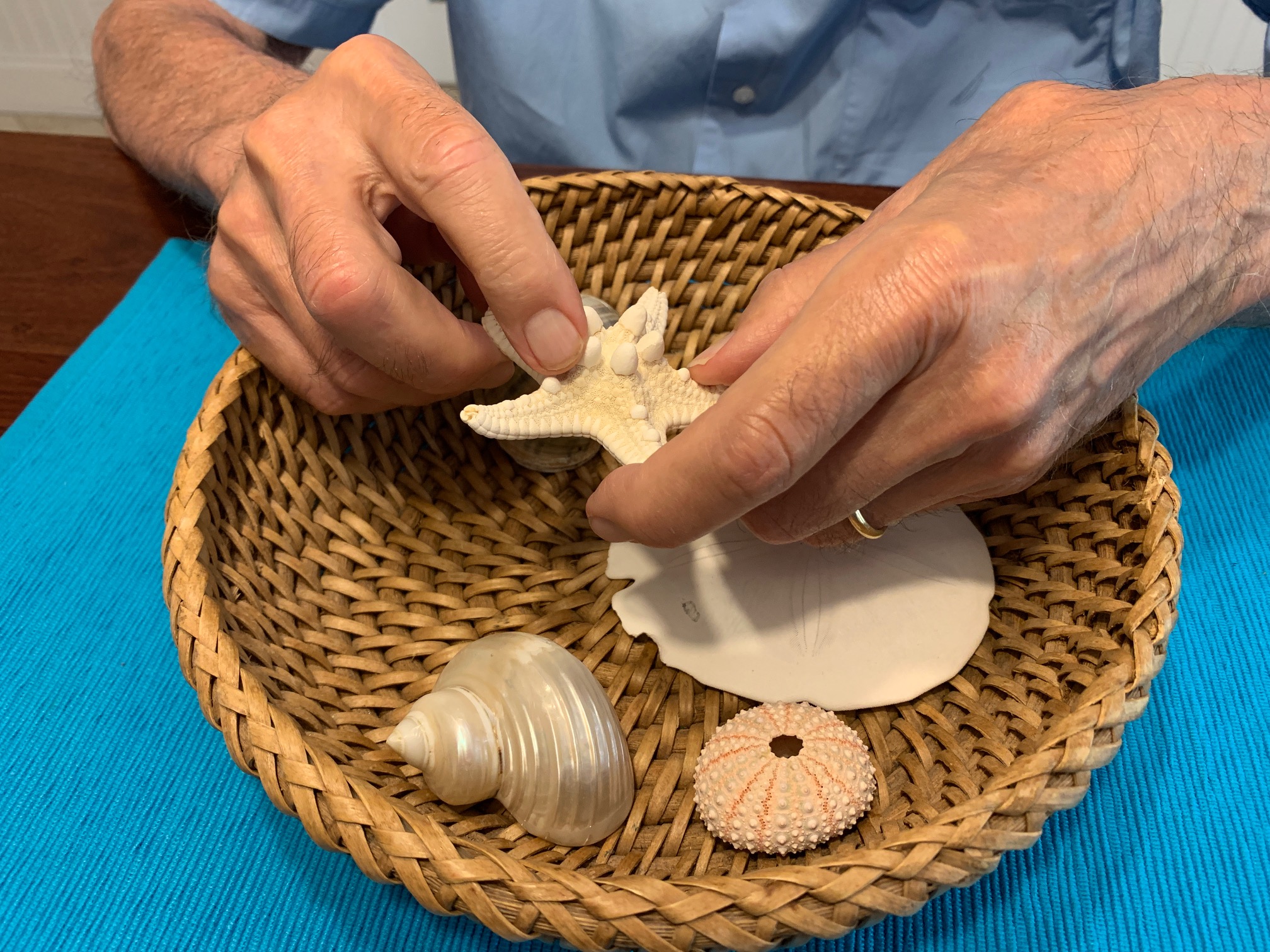
Sensory Stimulation
Observation
Observation is an integral part of the Montessori philosophy. Trained care partners routinely observe all elders in the community, both when they are on their own and when interacting with others. Observation enables care partners to gather information that helps them adjust elders’ individualized care plans to better meet their needs.
The Montessori Triad
In education, the Montessori Triad refers to the interaction of the environment, the child, and the teacher. In the care setting, care partners serve as guides and facilitators, connecting elders with opportunities for meaningful engagement in a prepared environment that supports intellectual, physical, emotional, and social well-being. In the care setting, therefore, the Montessori Triad is the dynamic interaction among the elder, the Montessori-trained care partner, and the prepared environment.
Joy, feeling one’s own value, being appreciated and loved by others, feeling useful and capable of production are all factors of enormous value for the human soul.
The desire to feel valued and respected doesn’t changes just because someone is older or is living with dementia. People with dementia still need to feel wanted, learn new information, have relationships with friends and family, and contribute to the community. A Montessori community provides a safe, engaging, and meaningful environment for elders to live a purposeful and rewarding life.